
Technical Evaluation Report: DeepRails

DeepRails presents an opportunity to acquire its AI SaaS company with a defensive AI technology, that prevents AI hallucinations.
Technical Evaluation Report: DeepRails Read Article »
The need for rigorous LLM evaluations, ethics and guardrails becomes the emerging field of LLM as a judge. As well other automated testing methodologies designed to ensure model safety, accuracy, and reliability. We analyze the technical frameworks used to monitor AI behavior and the research-backed guardrails that prevent AI hallucinations that exploit enterprise applications.
DeepRails presents an opportunity to acquire its AI SaaS company with a defensive AI technology, that prevents AI hallucinations.
Technical Evaluation Report: DeepRails Read Article »
A GenAI LLM evaluation engine and integrated API platform presents a opportunity to aquire its assets.
The Kill-Switch For AI Hallucinations Enters The M&A Market Read Article »

Acquiring an LLM presents an investment that can offer a compelling path to substantial return on investment and business growth.
Top Five Reasons Why Acquiring an AI LLM Can Grow Your Business With an ROI Read Article »

5 Hidden Realities of Valuing A Business in The AI Era.
5 Hidden Realities of Valuing A Business in The AI Era Read Article »

Companies, from local storefronts to global enterprises, are acquiring large language models. Why? these models offer a unique competitive edge through implementation.
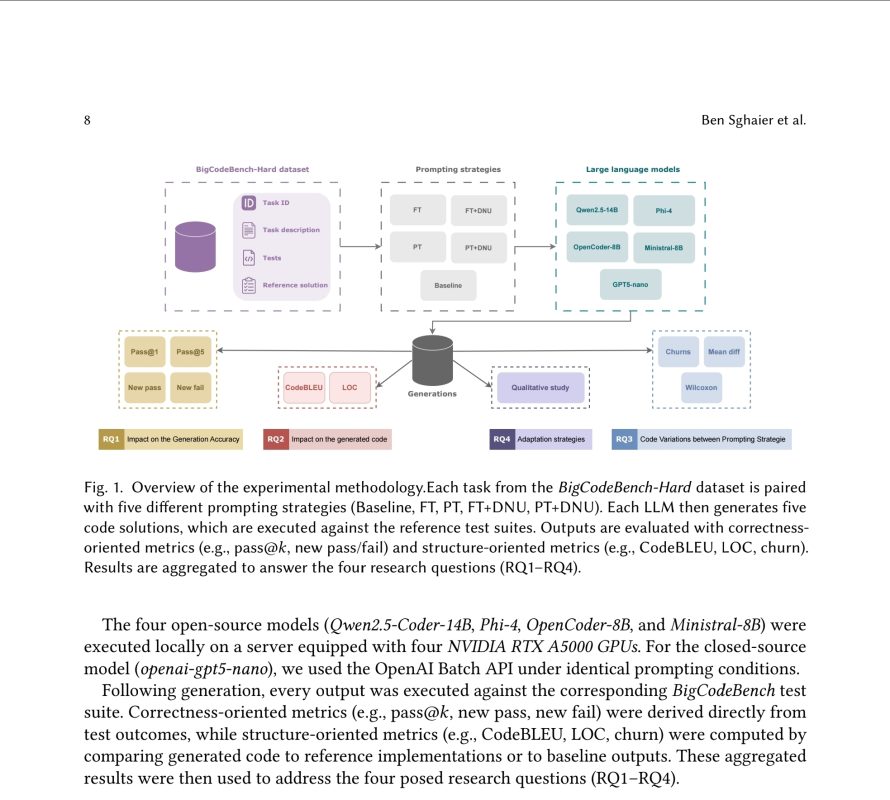
An LLM research paper, titled “Artificial or Just Artful? explores the tension between pretraining objectives and alignment constraints in Large Language Models (LLMs). The researchers specifically investigated how models adapt their strategies when exposed to test cases from the BigCodeBench (Hard) dataset.
Do LLMs Bend the Rules in Programming When They Have Access to Test Cases? Read Article »
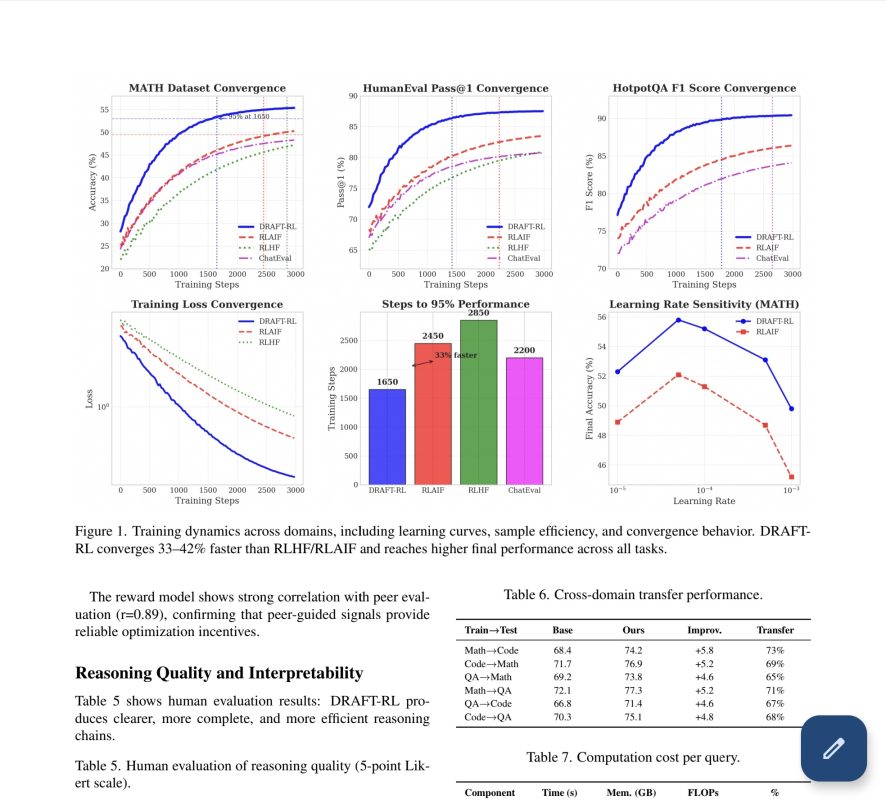
DRAFT-RL is a evaluation framework fort LLMs designed to address critical limitations in LLM-based reasoning systems by integrating Chain-of-Draft (CoD) reasoning with multi-agent reinforcement learning.
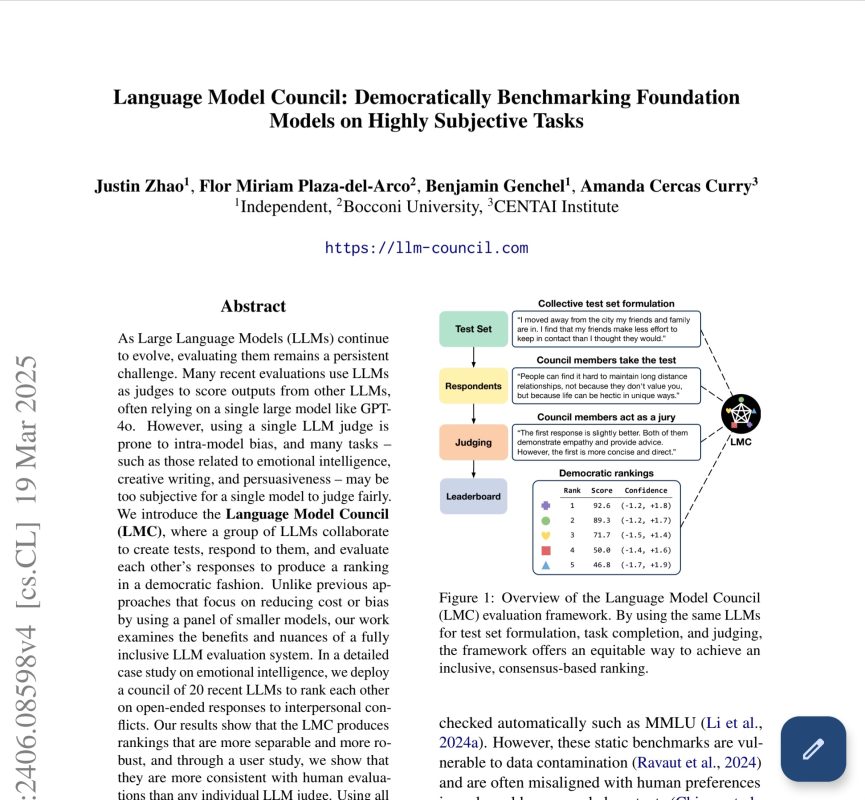
The Language Model Council research suggests that the top spot on any given leaderboard might be an artifact of evaluation design rather than a reflection of superior, generalized capability.
How Did 20 LLMs Dethroned GPT-4o and Reveal the Flaws in AI Leaderboards Read Article »

Exoskeleton Reasoning is a process that inserts a directed validation scaffold into A language model’s workflow before it responds.
What is Exoskeleton Reasoning For Language Models? Read Article »
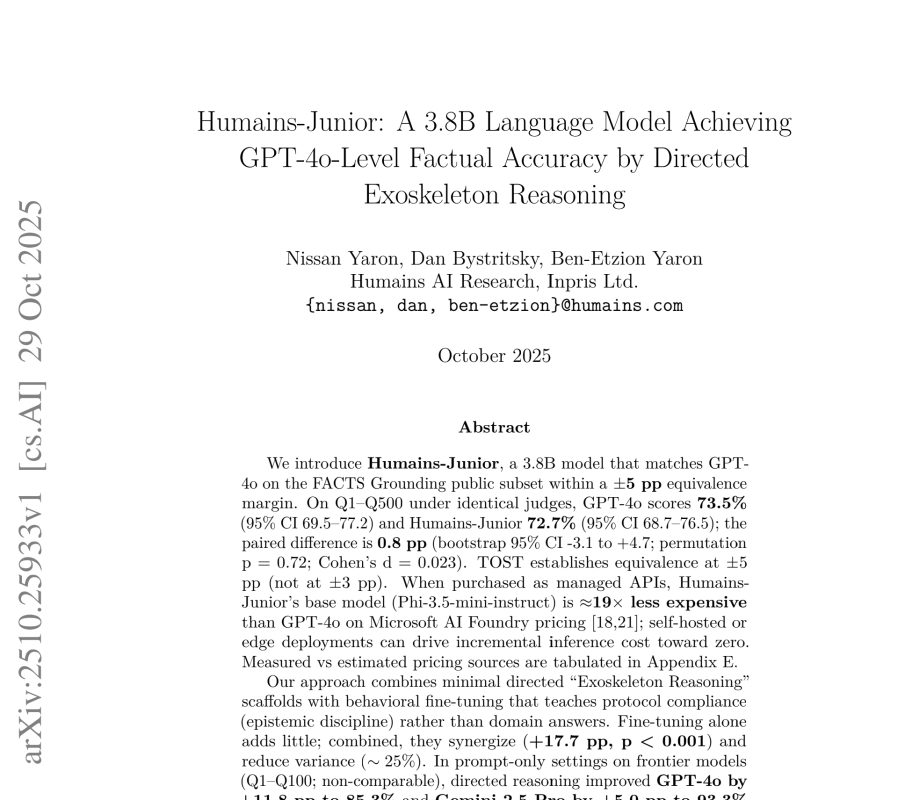
A new research paper from Humains-Junior language model reportedly matches the factual accuracy of GPT-4o on a specific public subset. According to the paper the Humains-Junior language model achieves this performance through an innovative method called “Exoskeleton Reasoning.”
Humains-Junior Language Model Challenges GPT-4o on Factual Accuracy Read Article »

A Small Language Model can be as Accurate as a Large Language Model with evaluation methods and frameworks. Methods like Exoskeleton Reasoning, Completeness, and Correctness, and using an LLM as a judge.
Can A Small Language Model Be As Accurate As a Large Language Model? Read Article »

LLM-as-a-Judge is a critical tool for anyone building LLM and AI applications. It offers a consistent approach to evaluating large language models. It captures what truly matters: quality, safety, and accuracy.
What is LLM as a Judge? | A Simple Guide to GenAI LLM Evaluations Read Article »

Completeness and Corrective Guardrail Metric is an engineered solution by DeepRails. It is designed to measure how well an AI response addresses the entirety of a user’s question. Not only does this ensure it is not just accurate, but truly useful.
Understanding the Completeness & Corrective Metric in LLM Evaluation for Accuracy Read Article »